
Recently I was deep cleaning our bedroom because there was a chance we might have some fun company coming over later in the week. While vacuuming underneath my nightstand, I found something I hadn’t seen in years.
That little silver bottle.

It doesn’t look like much. It’s a waterproof pill container that used to live on my keychain. It wasn’t just something I carried when I was driving or traveling. You can tell it went everywhere with me from all the scratches and even the small dent. Inside were a few now-expired anti-anxiety pills, and there was a time when simply leaving the house without that bottle was enough to put me on edge.
I’ve had anxiety for as long as I can remember. Hell, everyone in my family has dealt with it to some degree. Around the time our kid was born, mine started getting worse, although I convinced myself I still had it under control and it was just a normal part of life.
In reality, I was carrying anxiety everywhere I went. It wrapped around my shoulders like a talking backpack that I had worn for so long that it just became part of who I was. Most days it didn’t weigh that much, but it was always there, quietly whispering lies in my ear. This definitely wasn’t the cheerful, always helpful, magical backpack that Dora used to carry around on her adventures.
Most of the time I ignored the voice, but occasionally that whisper would get loud enough to drown out my other thoughts. Instead of helping me on my own life’s fun adventures, this backpack mostly just weighed me down.
Then one day I was at the gym and probably pushed myself a little too hard on the elliptical machine. During my cooldown I noticed the machine’s heart rate monitor. Instead of watching my pulse come down like I expected, I became fixated on the fact that it wasn’t dropping fast enough.
That kicked off the classic anxiety chicken-and-egg problem. You notice something that makes you anxious. Your brain feeds on it, which creates more anxiety, which makes the symptoms feel even more real.
Only this time it was different. Instead of my heart rate going down, the display showed my heart rate was actually increasing. I hopped off the machine and began to slow walk around the jogging track while chugging cold water in an attempt to cool down and to hopefully dial back my racing what-if thoughts.
This wasn’t everyday anxiety, if there even is such a thing. My brain was spinning out of control and it felt like doom was approaching. This was my first full-blown panic attack.
I was pretty much convinced I was having a heart attack. My vision started becoming tunnel-like, I became hyper-focused on my heartbeat, and I was certain I could be dying. Looking back, I must have looked like someone in serious distress. I’m honestly surprised nobody called an ambulance.
I’m sure I was pale. I remember not being able to cool down, and I was probably wandering around looking high, when in reality, I was just feeling terrified, alone, and trapped in my head. The rest of that day is mostly a blur, but thankfully Elise was there, and eventually we went home.
The next morning I went to urgent care. They ran an EKG, and thankfully my heart was fine.
What wasn’t fine was my anxiety.
As I mentioned, I had been dealing with anxiety, unsuccessfully, I should add, for as long as I could remember. Panic attacks, however, were completely new, and suddenly I was having them regularly. They became more frequent and more intense. There were days I’d call Elise from the car to tell her I thought I was dying and was driving myself to the hospital. More than once I’d end up sitting in a parking lot, waiting for the wave to pass until my body finally settled down.
That cycle went on far longer than it should have, and I wasn’t getting better. I stopped wanting to do the normal things. I didn’t want to go out. I canceled on friends because I just couldn’t deal with the possibility of having an attack with others around. I even had a hard time getting up and going to work in the morning. I was a mess and now I had a freshly hatched baby to be responsible for. I needed help and it took me longer to actually act.
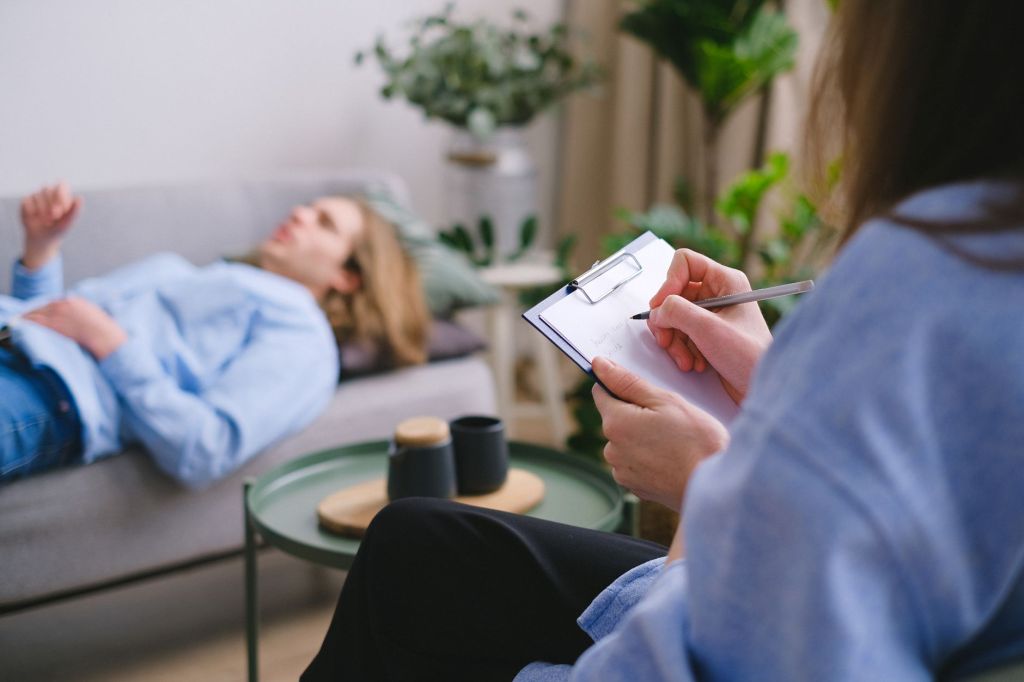
Eventually I saw my family doctor. They prescribed an anti-anxiety medication and referred me to a therapist. Between the medication and therapy, things slowly started improving. I wasn’t magically cured, but my panic attacks became less frequent. What had been almost a daily occurrence became weekly, then monthly, and eventually became something I thankfully rarely thought about.
In fact, I honestly can’t remember the last time I had a panic attack, and that is an incredible relief.
I’ve tried explaining them to friends before, and I don’t think people always understand that, for me, it wasn’t just happening in my head. My body reacted due to stress even though it was all in my mind, but each episode felt absolutely real.
I can still very vividly remember this unique muscle pain. It was like someone pressing a dull, unsharpened pencil into my chest. A tiny, sharp, isolated and irritating sensation that usually occurred when I was driving.
When Elise was in the car with me, I would try to sneak in a quick massage in an attempt to de-stress. It never went unnoticed, and instead I would then get embarrassed, like I had something to hide. After all, a real man doesn’t get anxiety while traveling. Or at least, that is what I convinced myself.
The best way I can describe an episode is that it was like a roller coaster climbing that first hill. If I became stressed, my body would start giving me little warning signs. My heart rate would pick up. I’d get warm, then hot. My breathing would change. Then my brain would notice those symptoms and think, Here we go!
Ironically, worrying about having another panic attack would create even more anxiety, which made the physical symptoms come on even stronger. Every symptom became another click up the hill until eventually I reached the top, and at that point, there was no stopping it. Once the panic attack started, it felt like the car had tipped over the edge of the almost sheer vertical hill. My mind and body were along for the ride whether I wanted them to be or not.
It was the ultimate self-fulfilling prophecy.
One of the things I learned with the meds and therapy was that my brain could eventually begin to forget that path. As the episodes slowly spaced apart, my nervous system calmed down and didn’t react in extreme ways if I became nervous about traveling or normal everyday activities. The longer I went without a panic attack, the easier it became to recognize those early warning signs without automatically assuming the worst. Instead of rocketing a million miles an hour out of the gate and flying up that first hill of the roller coaster of existential dread, my brain learned to switch tracks altogether.
I think that’s one of the biggest things the medication helped with. It didn’t magically erase my anxiety. It simply gave my brain enough breathing room to learn a different route. Then therapy helped teach me calming techniques and how to make small course corrections that helped prevent feeling like I was losing control. I had to learn that I could handle whatever happens next.
It’s probably been eight or ten years since I carried that little pill bottle. I think I took it off my keychain before a cruise because I wasn’t sure about traveling with medication that I didn’t have an updated script for in a foreign country, and after we got home it just… stayed off. The bottle ended up floating around the house, forgotten.
Until I found it again while cleaning.
People say people don’t change, but I don’t buy that for a second.
I’m proof that they can.
I’m a very different person than I was ten years ago. I’m calmer. I’m willing to try things that would have terrified the old me. I still step outside my comfort zone, it just takes me a little longer to get there or I may need the assistance of others, especially Elise.
I can now recognize when I’m nervous for legitimate reasons and tell myself that it’s ok. Like driving in the rain during rush hour, sitting in bumper-to-bumper traffic in an unfamiliar downtown city such as Atlanta, while trying to find our hotel exit and Google Maps suddenly decides to lose its GPS signal.
Sometimes I find myself talking out loud, giving myself a little pep talk and reminding myself how far I have come. I’ll tell myself it’s ok to feel nervous, that I am still in control and that missing our exit isn’t the end of the world.
Maybe that’s also why I feel more comfortable sharing my thoughts and feelings with others. Keeping everything to myself and staying silent never made my backpack lighter. Talking about it did.
And sometimes, when something I expected to be more nerve-wracking turns out to be just fine, I will actually laugh out loud to myself, which usually confuses the hell out of Elise.
I may not be the kind of person who cannonballs into the deep end.
I wade in.
I first test the water.
I make sure the ground is pretty much solid.
Then, little by little, I go farther.
Then I discover I actually enjoy doing something new, whether it’s a new experience, a new destination, a new skill, talking to new friends or even going into another couple’s house for the very first time.
That’s probably why our journey into the lifestyle has looked the way it has. To someone else it might seem slow, overly cautious, or even frustrating at times.
To me, it’s growth.
The old Bruce might never have gotten in the water at all.
The version of me writing this? Sure, he still gets nervous.
He just doesn’t let it stop him anymore.
P.S. If any part of this story sounds familiar, please know you’re not alone. For years I convinced myself I just needed to tough it out or that I was somehow broken. I wasn’t, and neither are you.
Mental health deserves the same attention and care as physical health. If something doesn’t feel right, talk to your doctor. Talk to someone you trust. Reach out to a therapist. Asking for help isn’t a sign of weakness. It’s often the first real step toward getting your life back.
If you or someone you know is struggling with their mental health, you can find confidential resources through the 988 Suicide & Crisis Lifeline by calling or texting 988, or by visiting 988lifeline.org. Even if you’re not in crisis, they can help connect you with resources in your area. You don’t have to go through it alone. Your story matters.
(The above P. S. section was taken from the 988lifeline’s website and Facebook page)




Leave a Reply